
The Ultimate Guide to Fishing Equipment and Techniques
Fishing is more than just a hobby; it’s a relaxing escape into nature that offers excitement and tranquility in equal measure. Whether you’re standing on the banks of a serene lake or casting lines into the salty depths of the ocean, the right equipment and techniques can make all the difference. This comprehensive guide will explore everything you need to know about fishing gear and methods, whether you’re a novice eager to learn or an experienced angler looking to refine your skills.
From selecting the right rods and reels to mastering the art of casting, this guide covers it all. We’ll delve into various fishing types, provide practical tips, and highlight common pitfalls to avoid. By the end of this article, you’ll be equipped with the knowledge to enhance your fishing adventures and maybe even catch that trophy fish you’ve always dreamed of.
Choosing the Right Fishing Equipment
The first step in your fishing journey is selecting the right equipment. This includes rods, reels, lines, hooks, and bait. Each component plays a critical role in your overall fishing success.
Fishing Rods
Fishing rods are available in various lengths and materials, each suited for different fishing environments. For beginners, a medium-length rod around 6-7 feet made of fiberglass or graphite is recommended due to its versatility and durability.
Reels
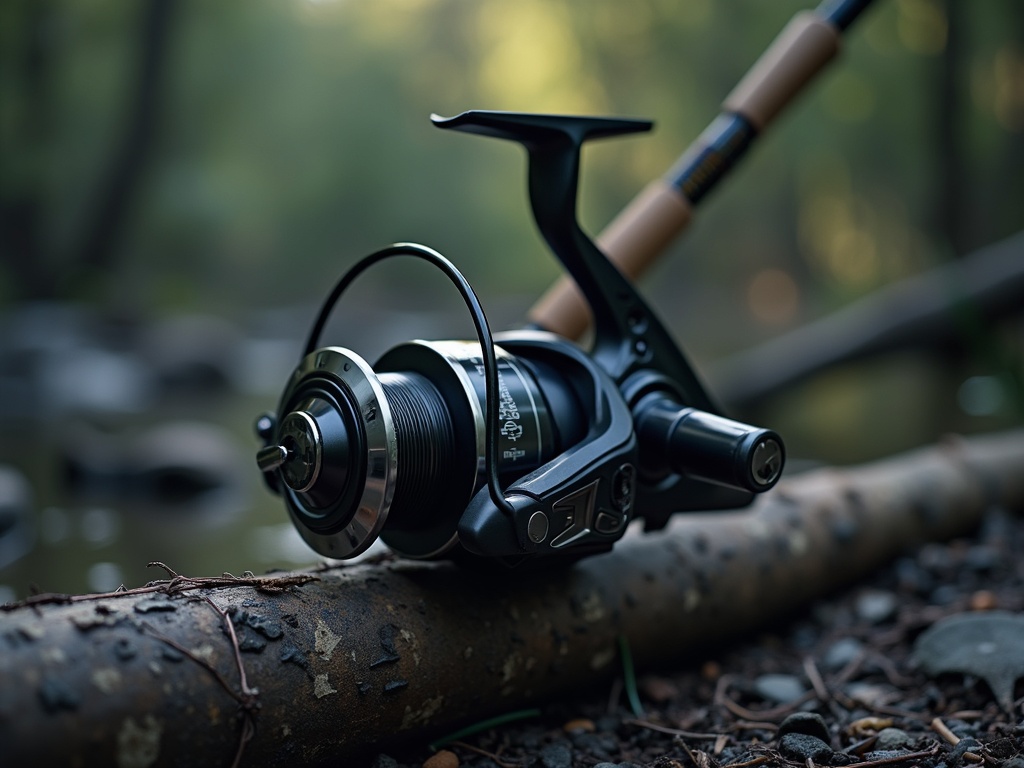
Spinning reels are ideal for beginners due to their ease of use and versatility. However, if you’re targeting larger fish, a baitcasting reel might be more suitable as it offers greater control and power.
Fishing Line
The type of line you choose depends on the fish you’re targeting and the fishing conditions. Monofilament lines are great for beginners due to their flexibility and ease of use. Braided lines, while more visible, offer greater strength and sensitivity.
Hooks and Bait
Hooks come in various sizes and shapes, designed for different fishing techniques and species. Live bait such as worms or minnows is often more effective, but artificial lures can also be highly successful, especially for specific fish types like bass and pike.
Mastering Fishing Techniques
Once you have your equipment ready, it’s time to learn the techniques. Proper casting, reeling, and setting the hook are crucial skills for any angler.
Casting
Good casting technique ensures that your bait lands in the desired location without scaring away the fish. Practice makes perfect, so spend time perfecting your wrist action and release timing.
Reeling
Reeling in your catch requires patience and skill. Avoid reeling too fast, as this can cause the fish to escape. Instead, use a steady pace to maintain tension on the line.
Setting the Hook
When you feel a bite, setting the hook quickly and firmly is essential. This action ensures the hook penetrates the fish’s mouth, increasing the chances of a successful catch.
Practical Tips and Advice
- Always check local fishing regulations and obtain the necessary licenses before heading out.
- Pay attention to weather conditions, as fish behavior can change with temperature, wind, and barometric pressure.
- Carry a first-aid kit and be prepared for emergencies, especially if you’re fishing in remote locations.
- Practice catch and release to help preserve fish populations and maintain ecological balance.
Common Mistakes to Avoid
Fishing is a learning experience, and everyone makes mistakes. Here are some common ones to avoid:
- Using the wrong equipment for the target species can result in lost fish and frustration.
- Neglecting to check and maintain your gear can lead to failures at critical moments.
- Ignoring the importance of stealth and quiet can scare away fish, reducing your chances of success.
- Overconfidence can lead to carelessness, so always stay focused and attentive.
FAQs About Fishing
1. What is the best time of day to go fishing?
Early morning and late afternoon are typically the best times, as fish are more active during these cooler periods.
2. How do I choose the right fishing spot?
Look for areas with structures like rocks or vegetation where fish are likely to hide. Local fishing reports can also provide valuable insights.
3. What should I do if I catch a fish I plan to release?
Handle the fish gently, remove the hook carefully, and return it to the water quickly to minimize stress and injury.
4. How can I improve my casting distance?
Using a longer rod, lighter line, and practicing your technique can help you cast further.
5. What type of bait works best for beginners?
Live bait such as worms and minnows is effective and easy to use for beginners.
6. Is fishing a safe activity for kids?
Yes, with proper supervision and safety measures, fishing can be a fun and educational activity for children.
7. How do I clean and maintain my fishing gear?
Rinse gear with fresh water after each use, especially if fishing in saltwater, and store it in a dry place.
Start Your Fishing Adventure Today!
Now that you’re armed with knowledge about fishing equipment and techniques, it’s time to put it into practice. Whether you’re planning a solo trip or a family outing, fishing is an excellent way to connect with nature and enjoy some peaceful moments.
Don’t wait any longer—grab your gear, head to your nearest water body, and start casting! For more tips and advice, subscribe to our newsletter and never miss an update. Happy fishing!
December 2025