
The Ultimate Guide to Fishing Equipment and Techniques
Fishing is not just a pastime; it’s a passion and an adventure for many. Whether you’re a seasoned angler or a curious beginner, understanding the right equipment and techniques can make all the difference in your fishing experience. This comprehensive guide will walk you through everything you need to know about fishing gear and methods, ensuring that your next trip to the water is both productive and enjoyable.
Understanding Fishing Equipment
1. Fishing Rods
Fishing rods are the backbone of your fishing setup. They come in various lengths, materials, and actions. When choosing a rod, consider the type of fishing you’ll be doing. Longer rods are ideal for casting long distances, while shorter rods provide better accuracy.
2. Reels
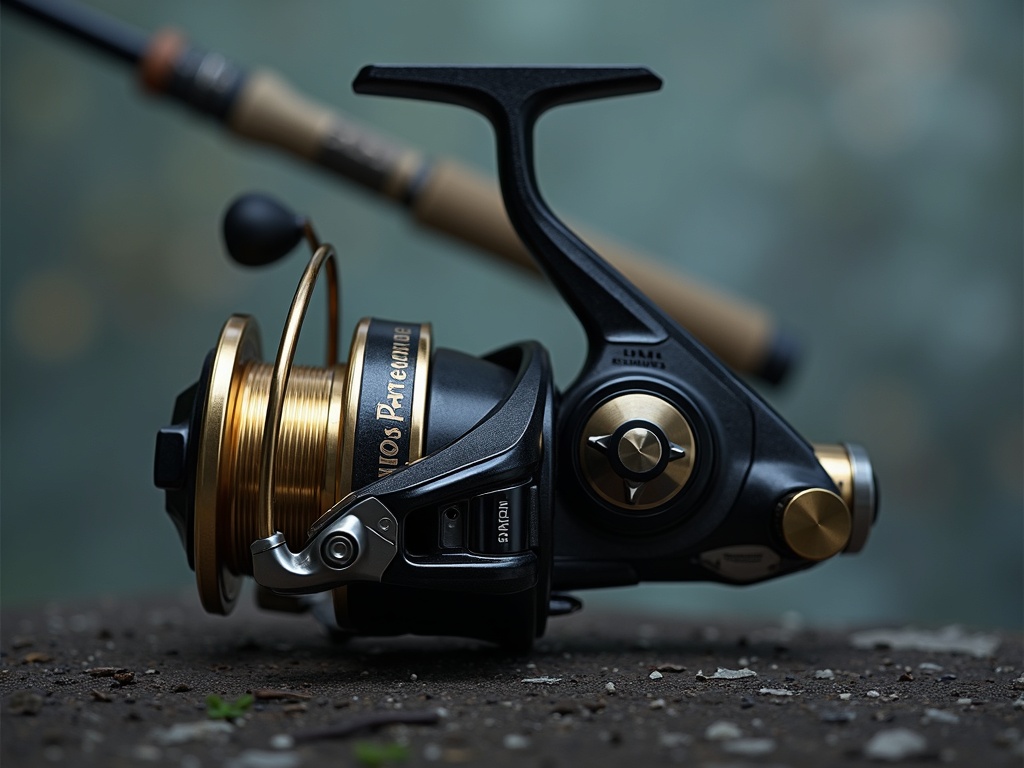
Reels are essential for controlling your line. Spinning reels are user-friendly and great for beginners, while baitcasting reels offer more control for experienced anglers. Make sure to match your reel with the appropriate rod for a balanced setup.
3. Fishing Line
Your choice of fishing line can affect your overall fishing success. Monofilament lines are versatile and suitable for most conditions, while braided lines offer superior strength and sensitivity. Fluorocarbon lines are nearly invisible underwater, making them excellent for clear water fishing.
4. Hooks and Baits
The right hook size and bait type are crucial for attracting your target fish. Live baits like worms and minnows are effective, while artificial lures can mimic prey and entice fish. Experiment to find what works best in your fishing area.
5. Tackle Boxes
A well-organized tackle box is every angler’s best friend. It should include a variety of hooks, weights, lures, and other essentials. Keep your tackle box tidy to easily find what you need during your fishing trip.
Fishing Techniques
1. Casting
Casting is the foundation of many fishing techniques. Practice making smooth, controlled casts to increase your accuracy and distance. Remember to adjust your casting style based on the type of rod and reel you’re using.
2. Jigging
Jigging involves moving your lure in a jerky motion to mimic the movements of prey. This technique is effective for attracting fish like bass and walleye. Use a sensitive rod to detect subtle bites and set the hook quickly.
3. Trolling
Trolling is a popular method for covering large areas of water. By dragging lures or baits behind a moving boat, you can target fish that are spread out. Use different lure depths and speeds to find what works best.
4. Fly Fishing
Fly fishing is an art form that uses lightweight flies and specialized casting techniques. It’s perfect for catching trout in streams and rivers. Mastering the delicate cast and presentation is key to success in fly fishing.
Practical Tips and Advice
- Research local fishing regulations and obtain the necessary licenses before heading out.
- Check the weather conditions and plan your fishing trip accordingly.
- Always pack safety equipment, including life jackets, first-aid kits, and sunscreen.
- Practice catch and release to help conserve fish populations for future generations.
- Keep a fishing journal to record your catches, locations, and techniques.
Common Mistakes to Avoid
- Avoid using the wrong type of bait for the fish you’re targeting.
- Don’t overlook the importance of maintaining your equipment, including cleaning and lubricating reels.
- Resist the urge to cast too far if fish are feeding close to the shore.
- Don’t ignore changes in weather patterns, as they can affect fish behavior.
- Avoid fishing in the same spot repeatedly if you’re not getting bites.
FAQs
1. What is the best time of day to go fishing?
The best time to fish is typically early morning or late afternoon when fish are most active. However, this can vary depending on the species and location.
2. How do I choose the right fishing rod?
Consider the type of fish you’re targeting, the fishing environment, and your own skill level when selecting a rod. Visit a local tackle shop for personalized advice.
3. Can I fish without a license?
In most places, you need a fishing license to fish legally. Check with local authorities for regulations specific to your area.
4. What should I do if I catch a fish I don’t recognize?
Release the fish gently back into the water if you’re unsure about its species. Take a photo and consult a local guide or app for identification.
5. How can I improve my casting accuracy?
Practice regularly and focus on your technique. Pay attention to your grip, stance, and release point. Watching instructional videos can also be helpful.
6. What’s the difference between saltwater and freshwater fishing?
Saltwater fishing typically involves larger, more powerful fish and requires different gear than freshwater fishing. You’ll also find different species and fishing environments.
7. Is it better to fish alone or with a group?
Both have their benefits. Fishing alone can be peaceful and introspective, while fishing with a group can be social and educational. Choose based on your personal preference.
Conclusion
Fishing is a rewarding activity that combines skill, patience, and a love for the great outdoors. By understanding the right equipment and techniques, you can enhance your experience and increase your chances of success. Whether you’re fishing for sport or relaxation, remember to respect nature and enjoy the journey.